Unlocking the Full Potential of Digital Twins for Sustainable Ocean Futures
Digital twin technology holds significant promise in developing solutions to mitigate the damage caused by climate change and facilitating the transition to greener alternatives. The European Commission is leveraging this technology to create a digital twin of the ocean (DTO), a highly accurate digital model aimed at facilitating studies, improving decision-making, and providing essential ocean data. The ERC-funded TwinPolitics project seeks to address concerns surrounding the socio-technical aspects of DTOs and their use in national and international contexts. The project aims to investigate current challenges related to development, access, security, legal considerations, and necessary regulations. Additionally, it will develop a methodological approach to address these challenges and ensure the effective use of DTOs.
Exploring how Digital Twins Shape Multilateral Environmental Negotiations
Alice Vadrot and her research group will combine methods from ethnography and computational social science and apply them to digital ocean twins in the EU, China and the USA. In order to identify which features of digital twins promote inclusion, diversity and equity, ethnographic data will be collected at different policy levels and from a variety of research sites.

All the Latest: News, Events, Publications, and More
Chloé Taillandier examines side events at the INC negotiations for a global plastics treaty in her Ocean Seminar
What happens away from the main stage of global environmental negotiations? What influence do the hundreds of side-events have that are organized in these multilateral settings and how can we
Ocean Seminar with Muriel Rabone examines BBNJ and ISA from a data and science perspective
The first Ocean Seminar of the 2026 Winter Semester dives into data and takes a look at the recent multilateral negotiations and how data and science influence these processes. The
Ocean Seminar Series examines the role of science in multilateral negotiations
This semester our Ocean Seminar series reflects the role of science in multilateral environmental negotiations. We are very excited to welcome three scientists who are getting involved and try to
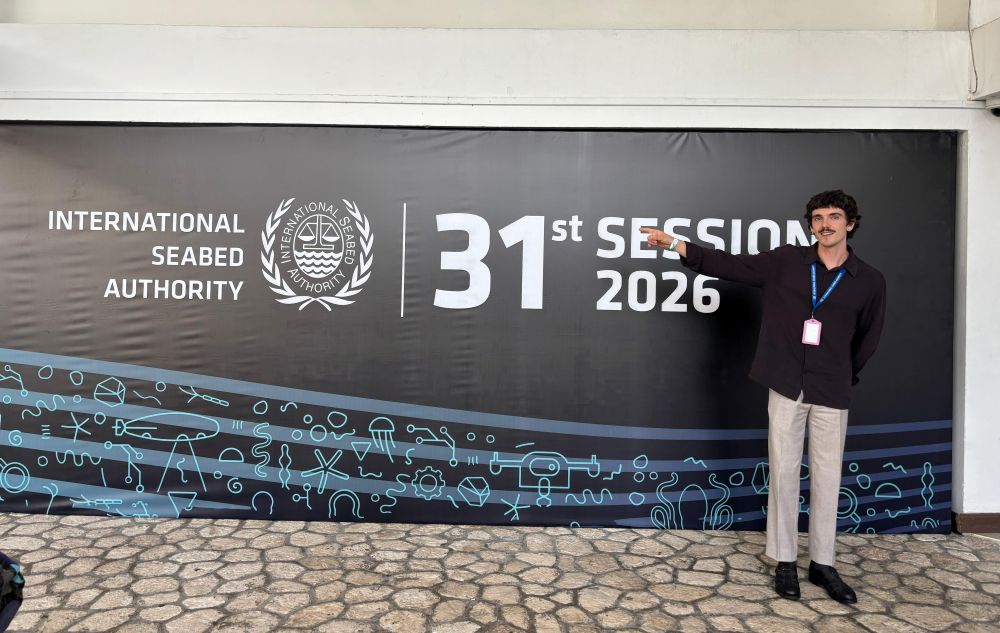
Take the data and run: Reflections from the 31st Session of the International Seabed Authority
Our researcher Emil W. Hildebrand attended the 31st session of the Council and Assembly of the International Seabed Authority from July 13-31, 2026, in Kingston, Jamaica. In this blog post he offers his reflections on the litigation cases against the ISA from two of its contractors, how data collected within the international regime is used for unilateral action, and the state of play in the world of deep-sea mining.
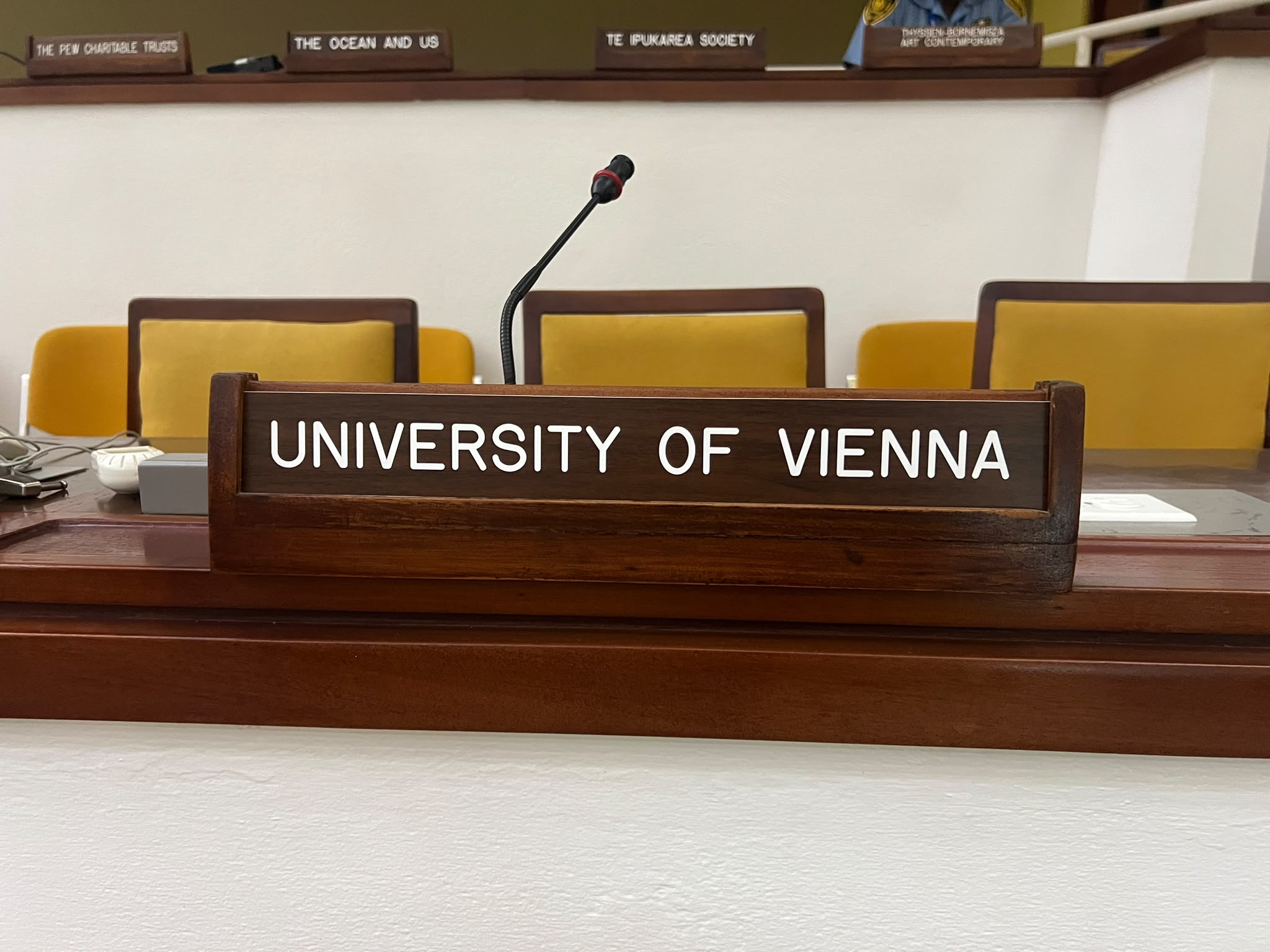
University of Vienna receives observer status at the International Seabed Authority (ISA)
This week, the University of Vienna was granted official observer status at the International Seabed Authority (ISA), based in Kingston, Jamaica. This means that researchers from the University of Vienna
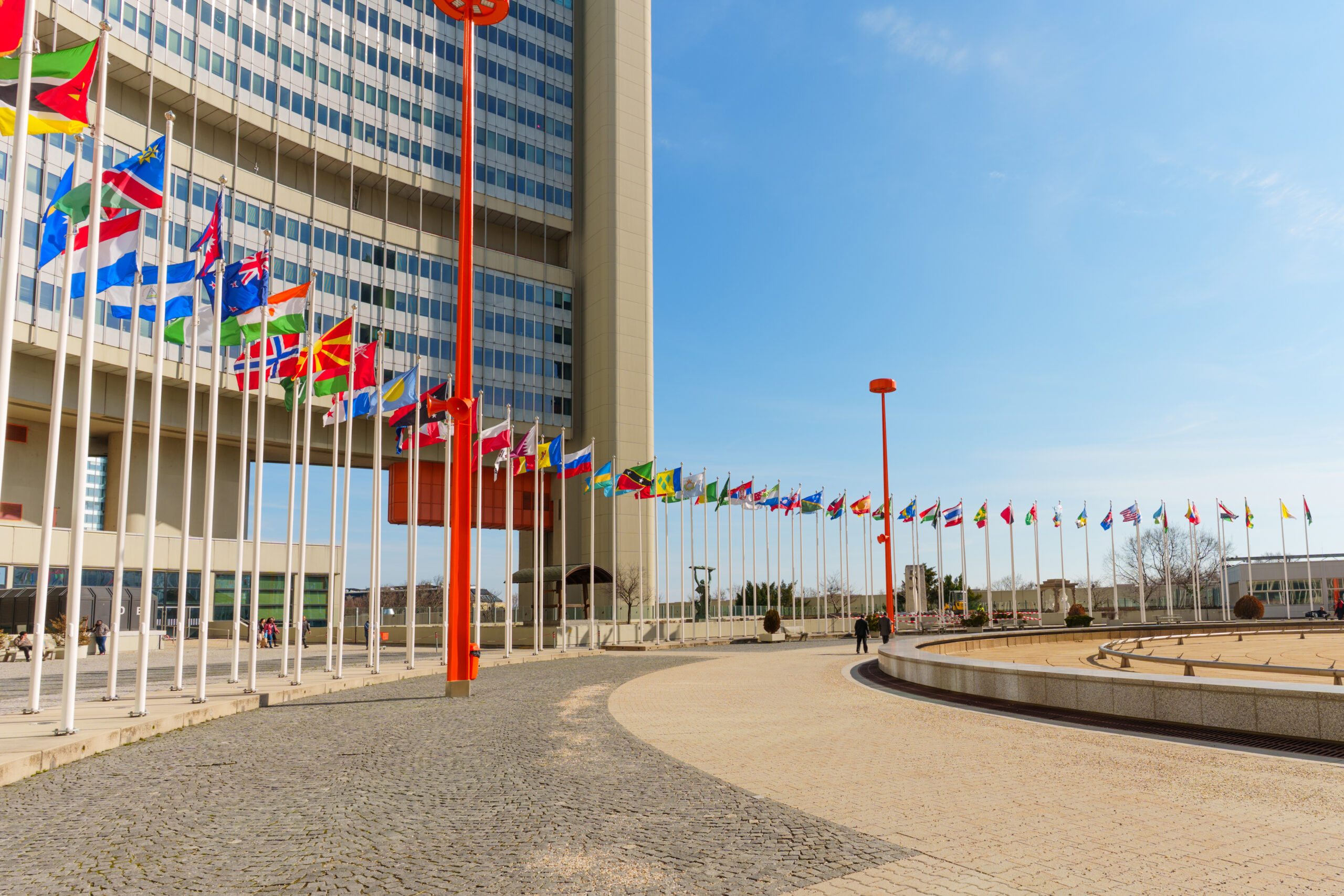
Studying International Organizations in Turbulent Times – impressions from a “TwinPolitics” workshop
On April 15, 2026, the Environmental Politics Research Group and the ERC Project TwinPolitics hosted a workshop bringing together current research on international organizations, institutional change and multilateral reform, with